Introduction
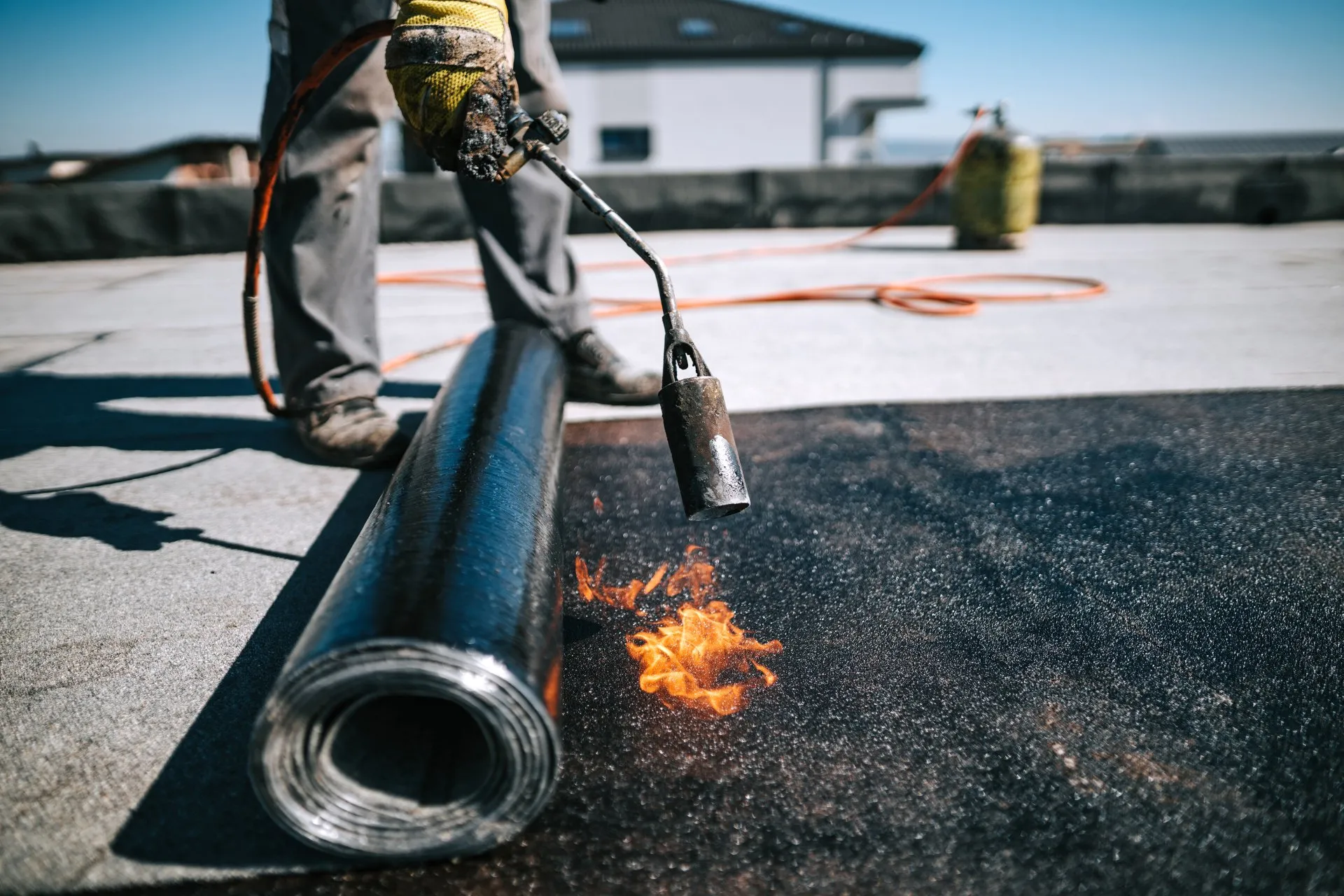
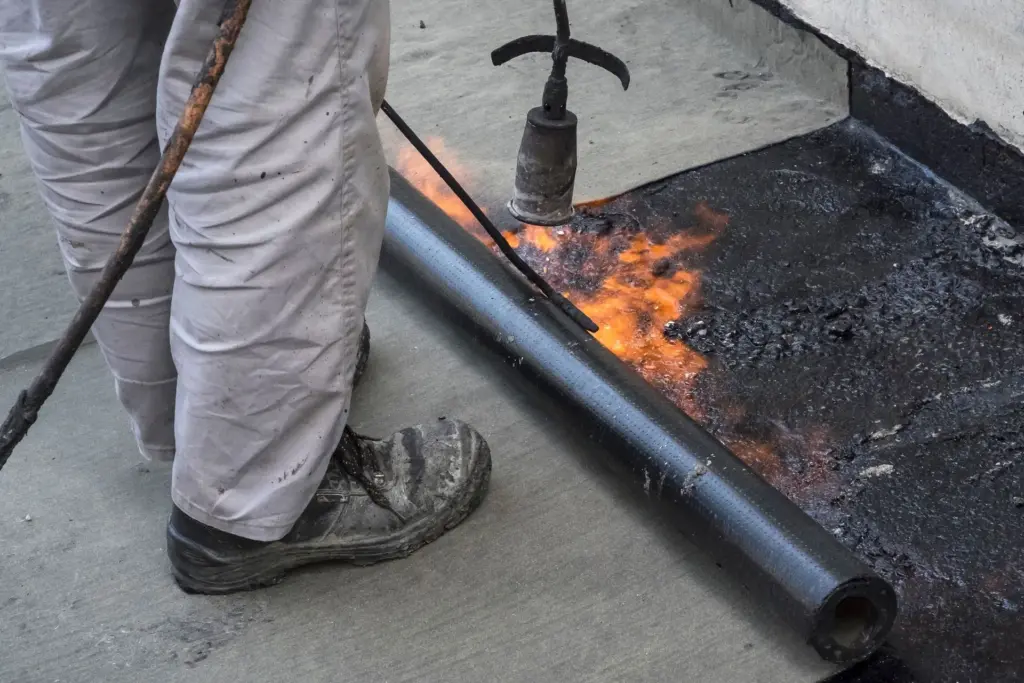
Commercial rubber roofing can be applied on RVS to repair, seal and protect it from the elements’ damage. RV roofs are primarily constructed from EPDM or TPO, though high-end models are durable fiberglass or lightweight aluminum. Rubber roof coatings help extend the life of EPDM, TPO or fiberglass roofs. These coatings help form a waterproof barrier, creating a seamless, flexible membrane to protect against storms, snow, UV rays and debris. A professional liquid-applied roof coatings company ensures faster application and reduces the risk of damage to your RV.
Weathering the Elements: Can Commercial Rubber Roof Coatings Protect an RVS?
Is the EPDM roof of your travel trailer, once bright white, now chalky, gray and leaking? Are you searching for a local RV service center near me after failed DIY attempts? Explore the world of commercial rubber roofing coatings. It offers a cost-effective solution to seal, restore or protect your RV roofs, without full replacement. Read our guide below to empower yourself and form a durable, watertight seal, reducing the need for constant risky maintenance.
| Did you know?The US demand for liquid-applied roof coatings is projected to reach 11.91 million square feet by 2028. |
Here is your guide to understanding whether your RV roof is ready for commercial rubber roof coatings.
- What is an RV Roof Made of?
RV roofs are primarily constructed from rubber membranes (EPDM, TPO) for energy efficiency, flexibility and affordability. High-end models use fiberglass or aluminum to provide waterproofing, UV resistance and structural integrity. PVC (polyvinyl chloride is also used to prevent tears and punctures and is lower-maintenance than rubber.
| Fast FactModern coatings, including rubber and silicone, are increasingly used to stop leaks, reduce interior temperatures and eliminate the need for frequent patchwork. |
- Can I Apply Commercial Rubber Roof Coatings on an RV?
- Commercial rubber roof coatings help form a seamless, water-tight seal and can transform your aging RV roof into a white cool roof.
- Clean your roof thoroughly, dry and prime (for TPO) to ensure proper adhesion.
- Roll or spray the coatings, ensuring an even, thick layer.
- Ensure the coating is compatible with the RV roof material to prevent any damage.
- Reapply every couple of years to maintain the water-tight barrier.
| Important factLiquid butyl rubber offers high flexibility and resistance to extreme temperatures (-40℉ to 250℉). |
- What are the Benefits of Commercial Rubber Roof Coatings on an RV?
- Roof rubber coatings form a continuous, monolithic layer on your RV, unlike other roof coatings.
- Flat RV roofs are susceptible to ponding water issues. Rubber coatings are effective against standing water.
- Rubber coatings effectively seal the small cracks, holes or worn areas, offering a durable and affordable RV roof repair solution.
- A properly applied coating can extend the life of your RV roof by up to 20 years.
- Flexible rubber roof coatings prevent future cracks due to temperature fluctuations.
- The rubber layer acts as a shield against hail and debris damage.
When Should Commercial Rubber Roof Coatings Not Be Used on RVs?
While commercial rubber roof coatings are highly effective, they are not a one-size-fits-all solution. RV owners should first assess the condition of the existing roof before application.
If your RV roof has severe structural damage, widespread rot, soft decking, or large membrane separations, a coating alone may not be sufficient. Coatings are designed to seal, protect, and extend roof life—not to correct major underlying failures. In such cases, partial repairs or membrane replacement may be required before coating.
Additionally, applying rubber coatings in poor weather conditions—such as high humidity, freezing temperatures, or during rain—can lead to improper curing and reduced performance. Always ensure weather conditions meet the manufacturer’s guidelines to achieve a long-lasting, watertight seal.
Professional Application vs. DIY: What’s Best for RV Roof Coatings?
Many RV owners consider DIY coating projects, but professional application often delivers superior results, especially for commercial-grade rubber roof coatings.
Professionals use industrial-grade cleaning methods, proper primers, and calibrated application techniques to ensure uniform thickness and adhesion. This minimizes common DIY issues such as thin spots, trapped moisture, or premature peeling. A professional installer also ensures compatibility with EPDM, TPO, fiberglass, or aluminum surfaces.
DIY application can be cost-effective for small touch-ups, but for full RV roof restoration, hiring a professional liquid-applied roof coatings company reduces risk, saves time, and significantly improves coating lifespan and performance.
Conclusion
Commercial rubber roofing can be applied on RV roofs to create a seamless, white, watertight barrier, ensuring energy efficiency and protection against weather-induced damage. If you want to keep your RV cooler in summer and improve its energy-efficiency, go for commercial rubber roof coatings. Instead of expensive full roof replacements, rubber roof coatings can be used to rejuvenate your RV roof and form a light-weight barrier against environmental damage.
FAQs
How long does rubber RV coating last?
Rubber RV coating can last for 1 to 3 years before needing another coat.
What is the difference between an RV roof coating and a sealant?
RV roof coating is used to seal and protect an entire RV roof, while a sealant is used to reseal roof edges and to patch minor damage.
How many coats of roof coating are required?
At least two coats ensure proper protection. Use a brush or a roller. The first coat must be completely dry before applying the second coat.