Introduction
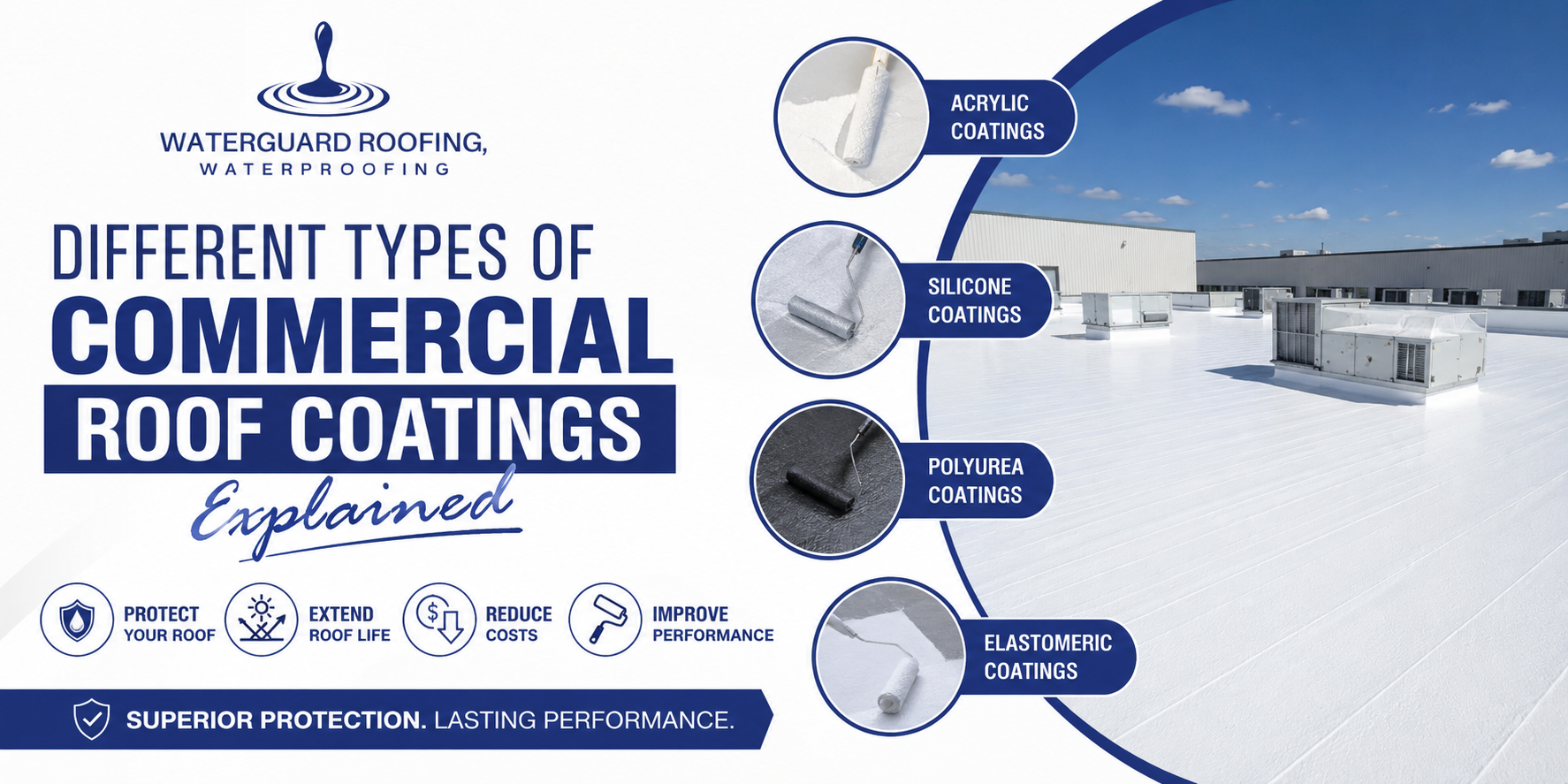
Whether it’s an office building or a restaurant; a commercial roof coatings system is one of the most important things that will protect the roof as well as your establishment. Acrylic coatings are celebrated for being affordable, though they aren’t ideal for flat roofs. On the other hand, silicon coatings are excellent against ponding, however they do attract dirt. The blog below explores a few of the makeup, uses and cautions about the most popular liquid applied roofing systems out there.
Acrylic Coating: Bright & Budget-Friendly
The most popular out of all the elastomeric commercial roof coatings types is acrylic. It’s a water-based liquid applied membrane, celebrated for its UV resistance. However, it does need a well-drained roof to function properly. This section goes over the specifics of acrylic coatings.
- Best For: This membrane is ideal for commercial buildings in sunny areas with extremely high temperature .
- Benefits
Property owners love applying acrylic coatings for their durability and eco-friendliness. The main perks of acrylic membranes include:
- Energy Efficiency: They reduce roof temperature, HVAC reliance and utility bills.
- Budget-Friendly: Compared to other options, acrylic is incredibly cost-efficient.
- UV Protection: The highly reflective surface is perfect for battling the sun’s effect.
- Trade Offs
However, acrylic does have a few short-comings that should be taken into consideration. It requires fast replacements and doesn’t perform well against standing water. We should highlit that it’s:
- Vulnerable To Ponding: Due to its water base, acrylic breaks down easily in rainy regions.
- Strict Temperature Requirements: Moderate temperature is necessary for proper application and bonding.
- Frequent Replacement: Acrylic commercial roof coatings needs to be reapplied every 5-10 years.
Silicon Membrane: The Roof’s Defense Against Standing Water
The next one we have is a silicon commercial roof coatings system. These are moisture-cured liquids that are sprayed or rolled on to form a rubbery membrane. They’re great for standing water, though a bit expensive if you do a silicon roofing coating vs acrylic comparison.
- Best For: Silicon roof coatings are ideal for rainy areas and flat roofing systems.
- Benefits
Silicon commercial roof coatings are a fan favorite of contractors and property owners for their flexibility and exceptional UV resistance. A few perks of this membrane include:
- Ponding Resistance: Silicon roofs are highly hydrophobic; repelling rain water and snow melt.
- UV Protection: It also holds its own against harsh UV rays and lowers indoor temperature.
- Highly Flexible: Silicon naturally expands and contracts with the building to seal cracks and seams.
- Trade Offs
All of that being said, silicon does have its own conditions as well. It doesn’t bond with other roof coatings and is known to attract a lot of grime. A few warnings that we can give you include:
- Recoating Issues: Once silicon’s been installed, you can’t swap coats without removing it first.
- Debris Attraction: Silicon attracts dirt, which darkens its color and lowers its performance.
- High Installation Fees: Silicon is more expensive to install than acrylic.
Polyurethane Shield: Protecting Against Punctures & Abrasions
Polyurethane commercial roof coatings are solvent-based membranes that turn into high-gloss seals on top of commercial roofs. Entrepreneurs appreciate them for their impact resistance; but worry about the installation expense. This sector is your polyurethane roof coating guide.
- Best For: Perfect for roofs that experience heavy foot traffic and support large HVAC units.
- Benefits
This commercial roof coatings is highly resistant to punctures and impact. They also work against temperature fluctuations. A few advantages of the system are:
- Chemical Resistance: This seal works against everything from water to acid rain.
- Versatile Use: It can be applied on concrete, wood, metal and other materials.
- Crack Resistance: Its flexibility prevents cracks and leaks due to temperature changes.
- Impact Resistance: For the same reason, it doesn’t tear or break under heavy foot traffic.
- Trade Offs
However, there are a few caveats that should be kept in mind about polyurethane. It emits a strong odor during installation and is sensitive to moisture. A few important things to be considered include:
- High Installation Fees: Due to the complex installation process, the labor charges are high.
- Moisture Sensitivity: Whether it’s a damp substrate or humid weather, polyurethane will bubble.
- Foul Odors: The chemicals in the seal emit a strong unpleasant smell during installation.
Conclusion
When it comes to commercial roof coatings, there are a few popular ones. Polyurethane is the most expensive; though it does perform well against chemical and UV damage. acrylic is the most favored due to its budget-friendliness and reflective surface—though it hast he shortest lifespan. silicon, however, is ideal for flat roofs and forms a rubber membrane to counter ponding water. The best roof coating material depends on your roof, the weather and your unique requirements. We hope this blog was informative. For more questions, please ask.
FAQS
What is the polyurethane commercial roof coatings installation price?
Depending on project specifics, the installation cost is around $2-6.
Can I install acrylic coating myself?
It’s best to leave it to experts for durability and warranty protection.
Does silicon roof coating require a primer?
Unlike other membranes, silicon roof coatings don’t require primers.